People disappear for many reasons. Some vanish deliberately — a debtor avoiding repayment, a fraudster fleeing consequences, a spouse hiding assets during a divorce. Others disappear quietly — a witness who stopped returning calls, a business partner who went dark, a family member who cut contact without explanation.
Whatever the reason, when someone in Africa does not want to be found, finding them requires skill, experience, and on-ground networks that most people simply do not have access to.
This is what skip tracing is — and it is one of Kinwon Secret Intelligence’s most requested services across East Africa.
What Is Skip Tracing?
Skip tracing is the process of locating a person who has deliberately or unknowingly become difficult to find. The term comes from the phrase “skip town” — referring to someone who has left quickly to avoid a situation. A skip tracer is the professional who tracks them down.
Skip tracing is used across a wide range of situations:
- A debtor who has stopped making payments and cannot be contacted
- A business partner who disappeared with company funds
- A witness needed for a legal case who has gone quiet
- A tenant who vacated a property without notice and owes rent
- A family member who cut contact and cannot be located
- An individual suspected of fraud who has relocated to avoid consequences
- A person whose whereabouts are needed for legal service of documents
In every case, the goal is the same — find the person, confirm their location, and provide that information in a format that can be acted upon legally.
Why Skip Tracing in Africa Is Different
Skip tracing in Europe or North America relies heavily on centralised databases — credit records, social security systems, vehicle registrations, and digital footprints that are relatively easy to access and cross-reference.
Africa is different. And East Africa in particular presents a unique set of challenges:
Population mobility — East Africa’s populations are highly mobile. A subject can move from Nairobi to Kampala, then to Dar es Salaam, and then to Kigali within weeks — crossing four countries with relative ease and leaving little traceable trail behind them.
Limited centralised records — While national ID systems, mobile money platforms, and company registries exist across Kenya, Uganda, Tanzania, Ethiopia, and Rwanda, they are not always interconnected or easily searchable without the right access and local knowledge.
Cash economies — Many transactions across East Africa are conducted in cash, making financial trails harder to follow than in more digitised economies.
Informal settlements — A significant portion of East Africa’s urban population lives in informal settlements where addresses are not formally registered and physical location requires genuine on-ground knowledge.
SIM card flexibility — Mobile phone numbers in East Africa can be changed cheaply and quickly. A subject who wants to disappear can acquire a new SIM card in minutes, cutting off the most common contact trail.
Cross-border ease — The East African Community’s integration means that movement between Kenya, Uganda, Tanzania, Rwanda, and Burundi is relatively straightforward, making regional investigative networks — not just national ones — essential for effective skip tracing.
How Kinwon Traces People Across Africa
Skip tracing at Kinwon Secret Intelligence combines digital investigation, database access, and on-ground fieldwork in a systematic process designed for the African context.
Step 1: Information Gathering
Every skip trace begins with what you already know. We collect all available information about the subject — full name, known aliases, last known address, phone numbers, email addresses, vehicle details, employer, family connections, and any other identifying information. Even small details can open significant leads.
Step 2: Digital Investigation
We conduct a thorough digital search across social media platforms, online directories, business registries, and public records. People who believe they have disappeared are often still visible online — through tagged photos, business listings, group memberships, or activity on platforms they forgot they were using.
Step 3: Database and Records Search
We access official and proprietary databases across East African jurisdictions — including company registries, land records, vehicle registration databases, and mobile money platforms — to identify current activity, recent transactions, or registered assets linked to the subject.
Step 4: Network Investigation
We tap into our on-ground investigative networks across Kenya, Uganda, Tanzania, Ethiopia, Rwanda, and beyond. Former colleagues, neighbours, associates, and community contacts frequently hold information about a subject’s current whereabouts — even when they are not aware they are sharing it.
Step 5: Field Investigation
Where digital and database searches narrow the location, our field operatives conduct physical verification — confirming the subject’s presence at a specific address, workplace, or location through direct observation and surveillance.
Step 6: Location Report
We deliver a detailed written report confirming the subject’s verified current location, supporting evidence, and any additional relevant findings. This report is prepared in a format suitable for use in legal proceedings, debt recovery, or any other purpose the client requires.
Who Uses Skip Tracing Services?
Skip tracing at Kinwon is used by a diverse range of clients:
- Banks and microfinance institutions tracing loan defaulters who have relocated
- Law firms locating witnesses, defendants, or parties to a dispute
- Businesses tracking down former employees or partners who left with company assets
- Landlords locating tenants who vacated without paying outstanding rent
- Individuals trying to reconnect with missing family members
- Debt collection agencies locating individuals with outstanding obligations
- Insurance companies investigating claimants who cannot be located for verification
- Divorce attorneys locating spouses who have disappeared ahead of proceedings
What Skip Tracing Cannot Do
It is important to be clear about the boundaries of legitimate skip tracing. At Kinwon, we operate strictly within the law. Skip tracing does not involve:
- Illegal access to private communications or devices
- Harassment or intimidation of the subject or their associates
- Sharing of location information with parties who intend to cause harm
- Any activity that violates the subject’s legal rights
We verify the legitimacy of every skip tracing request before accepting a case. Our goal is to locate — not to facilitate harm.
How Far Can We Trace?
Kinwon Secret Intelligence’s skip tracing capability extends across:
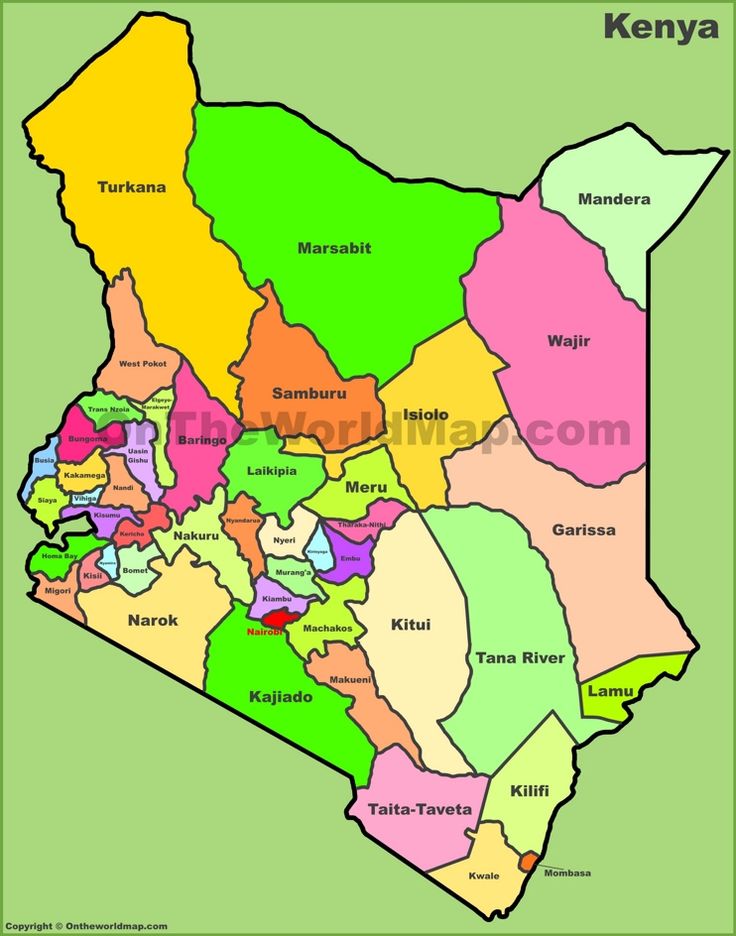
- 🇰🇪 Kenya — all 47 counties including Nairobi, Mombasa, Kisumu, Nakuru, and Eldoret
- 🇺🇬 Uganda — Kampala, Entebbe, Jinja, Gulu, Mbarara, and beyond
- 🇹🇿 Tanzania — Dar es Salaam, Arusha, Mwanza, Moshi, Zanzibar, and beyond
- 🇪🇹 Ethiopia — Addis Ababa, Dire Dawa, Hawassa, and major regional cities
- 🇷🇼 Rwanda — Kigali and across the country
- 🇸🇴 Somalia — select urban areas through trusted partner networks
- 🇸🇸 South Sudan — Juba and key locations through trusted partner networks
- 🌍 Wider Africa — through our extended investigative partner network
Get Started Today
If you need to locate someone in Africa — a debtor, a missing person, a witness, or anyone who has gone off the radar — Kinwon Secret Intelligence is ready to help. Our skip tracing service is fast, discreet, and built for the East African context.
📞 Call/WhatsApp: +254 780 031 591
📧 Email: pi@kinwonsecretintel.com
🌐 Website: www.kinwonsecretintel.com
If they are in Africa, we will find them.